「搜索基金与收购式创业」
Chinese Version Released
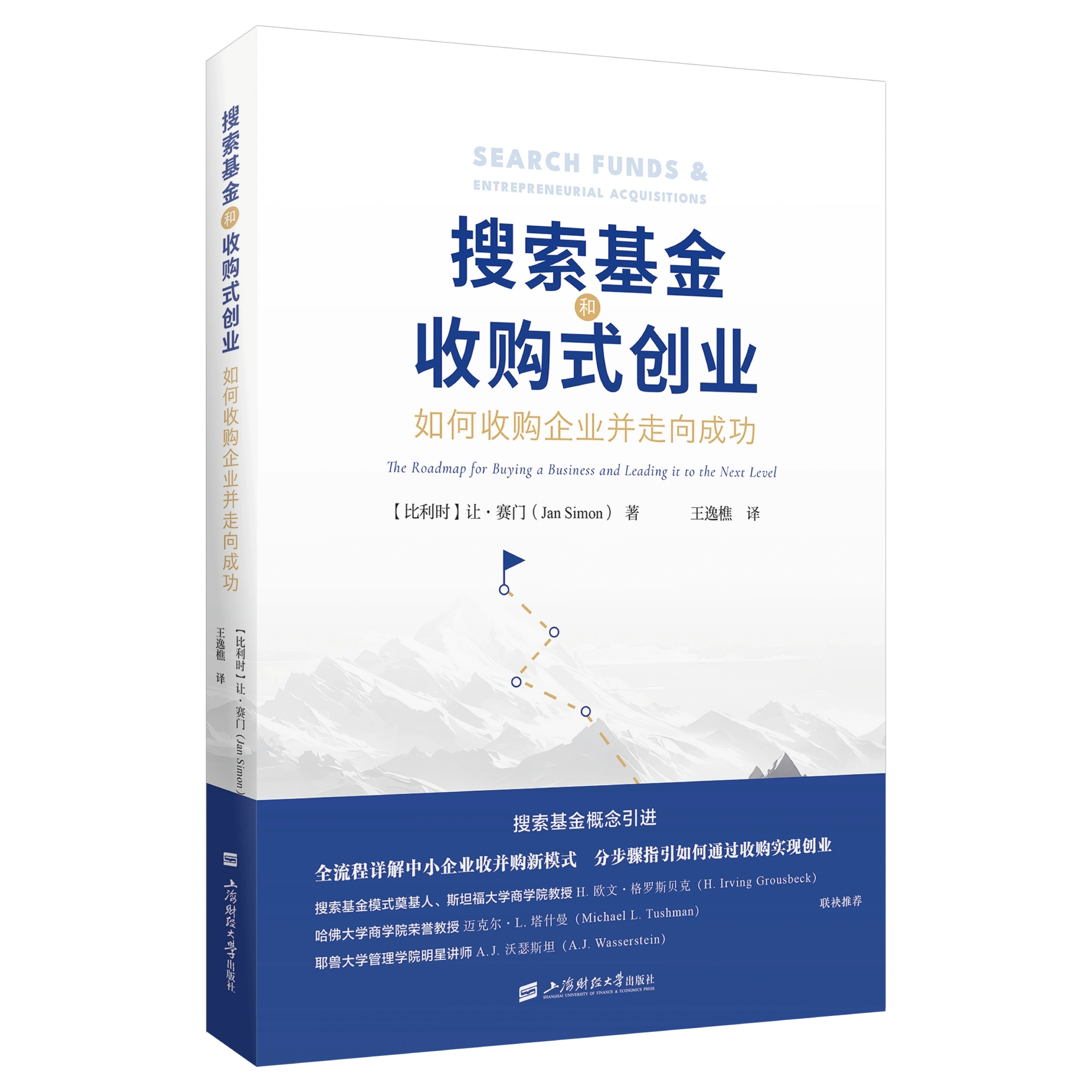
Yiqao Wang, founder of Search Panda™, translated and brought to China Search Funds & Entrepreneurship Through Acquisition by Jan Simon and published it in collaboration with Shanghai University of Finance and Economics Press.
Search Panda™ Insights
 Entrepreneurship Through Acquisition Model Gains Momentum Across Asia
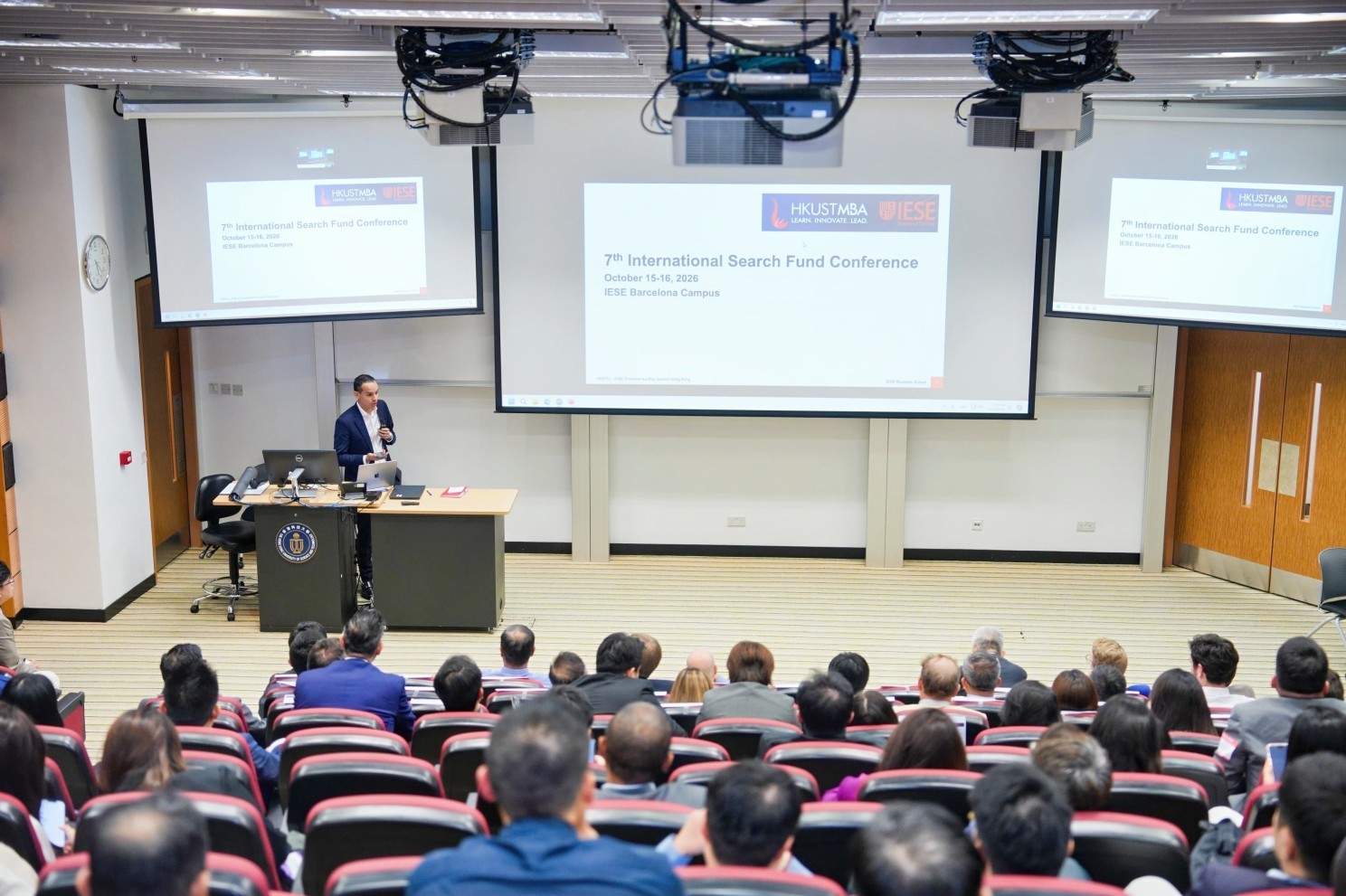
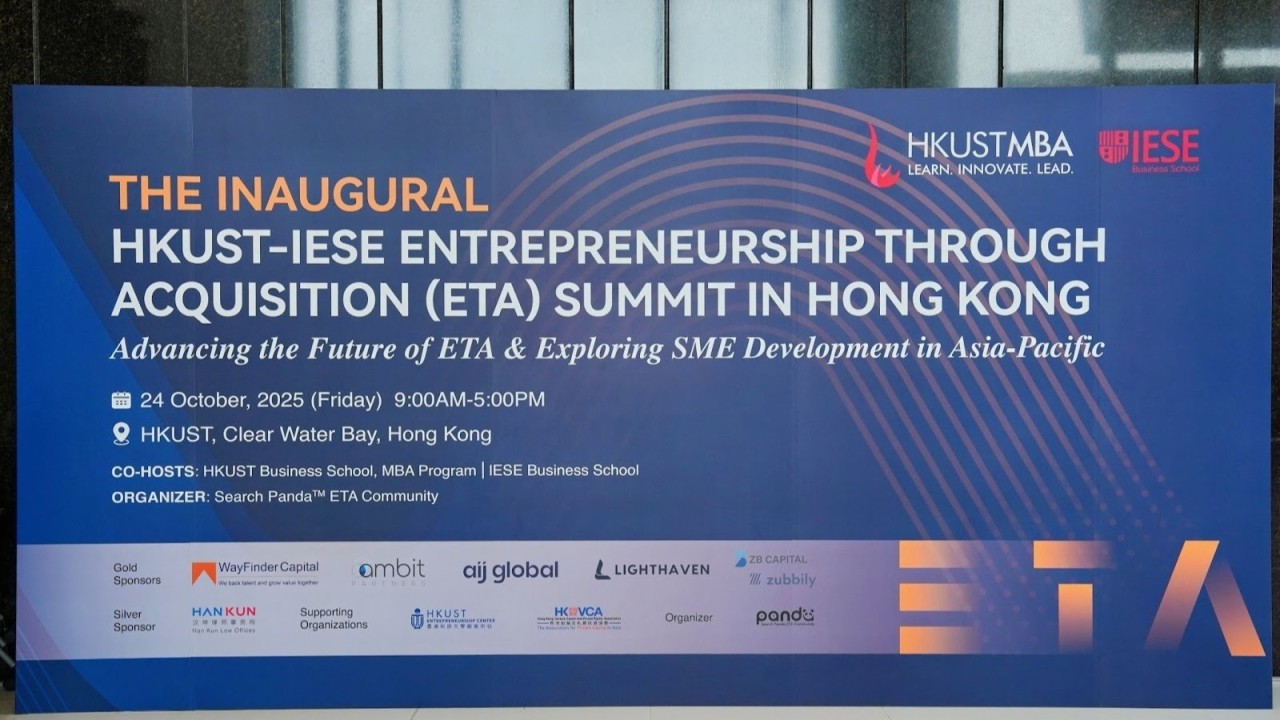
[Hong Kong, October 24, 2025] — The Inaugural HKUST–IESE Entrepreneurship Through Acquisition (ETA) Summit concluded successfully at The Hong Kong University of Science and Technology (HKUST), Clear Water Bay Campus, marking a major milestone in introducing the Entrepreneurship Through Acquisition model to Hong Kong and the Greater Asia-Pacific region.
Co-hosted by HKUST MBA, IESE Business School, and organized by Search Panda ETA Community, the Summit gathered more than 200 investors, entrepreneurs, academics, and operators from Asia, Oceania, Europe, Africa, and the Americas to explore SME succession, acquisition, and long-term value creation.
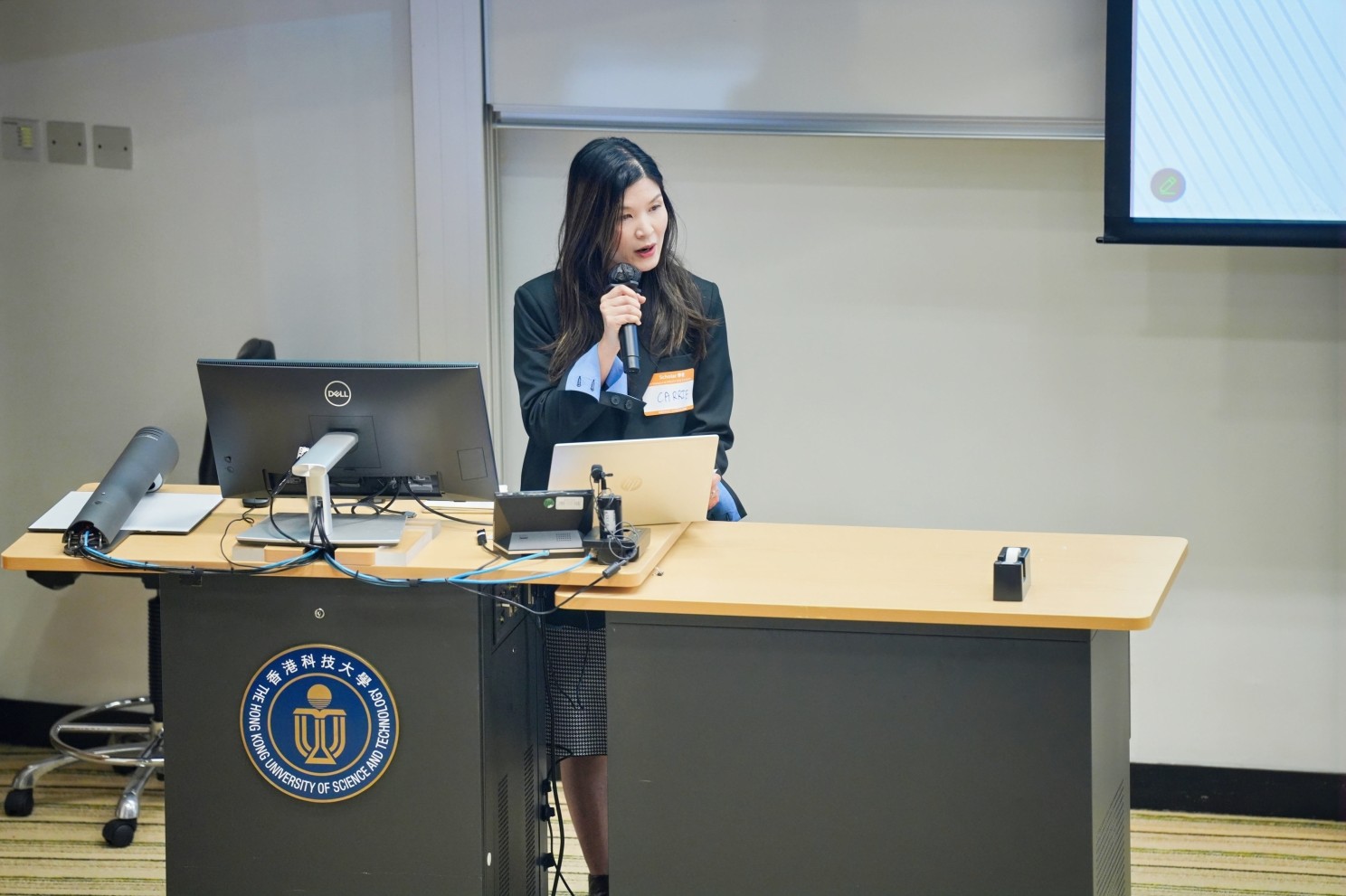
The event opened with remarks by Professor Carrie Hang-yin Ling, Director of the HKUST Entrepreneurship Center, who warmly welcomed guests from around the world. She noted that HKUST established the first university-based entrepreneurship center in Hong Kong, pioneering entrepreneurial support in the region. Ling highlighted that ETA offers a new way for entrepreneurs to drive innovation through acquisition and revitalization, and that Hong Kong’s position at the crossroads of East and West makes it an ideal place to adapt the model for Asia.
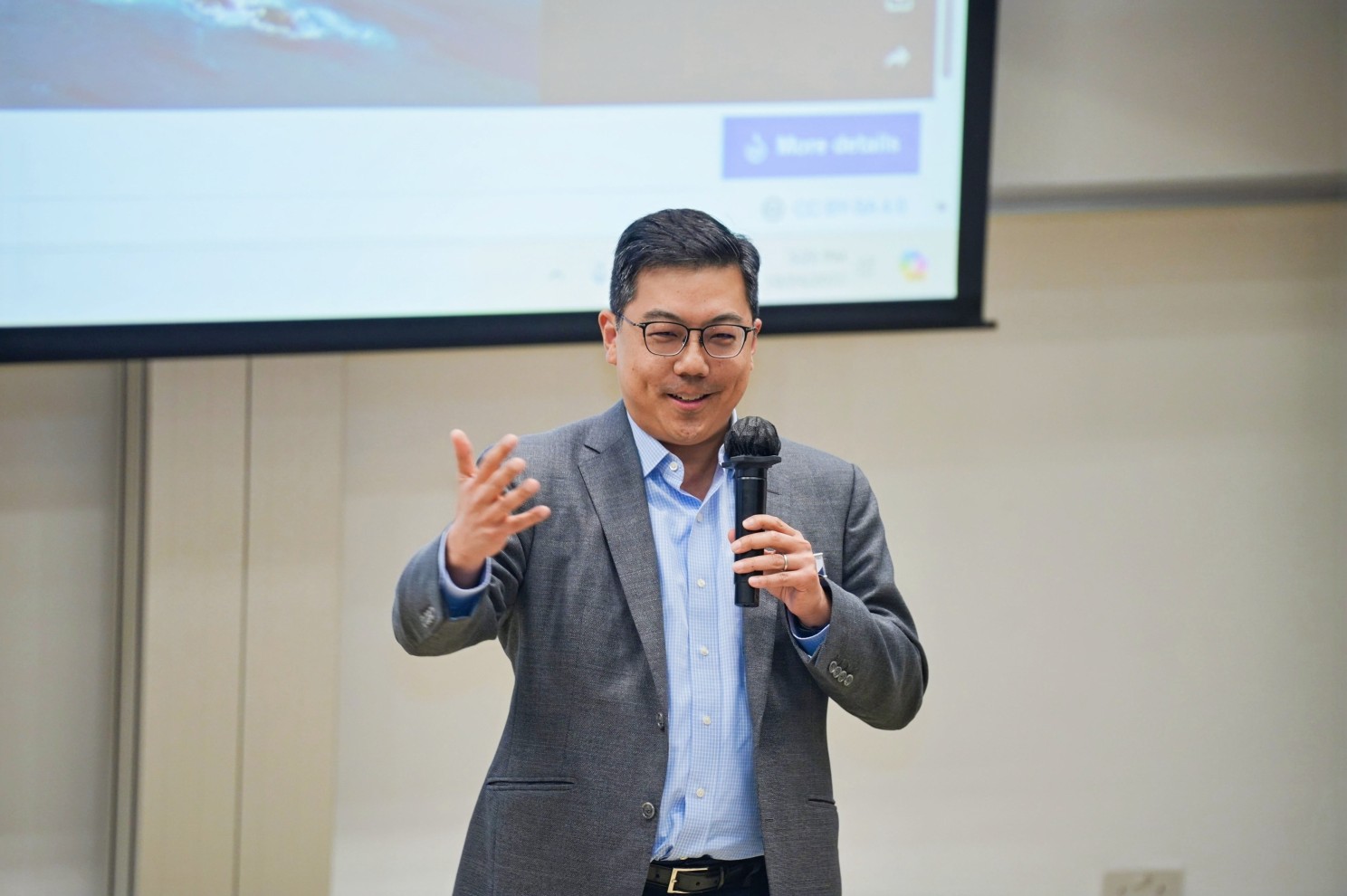
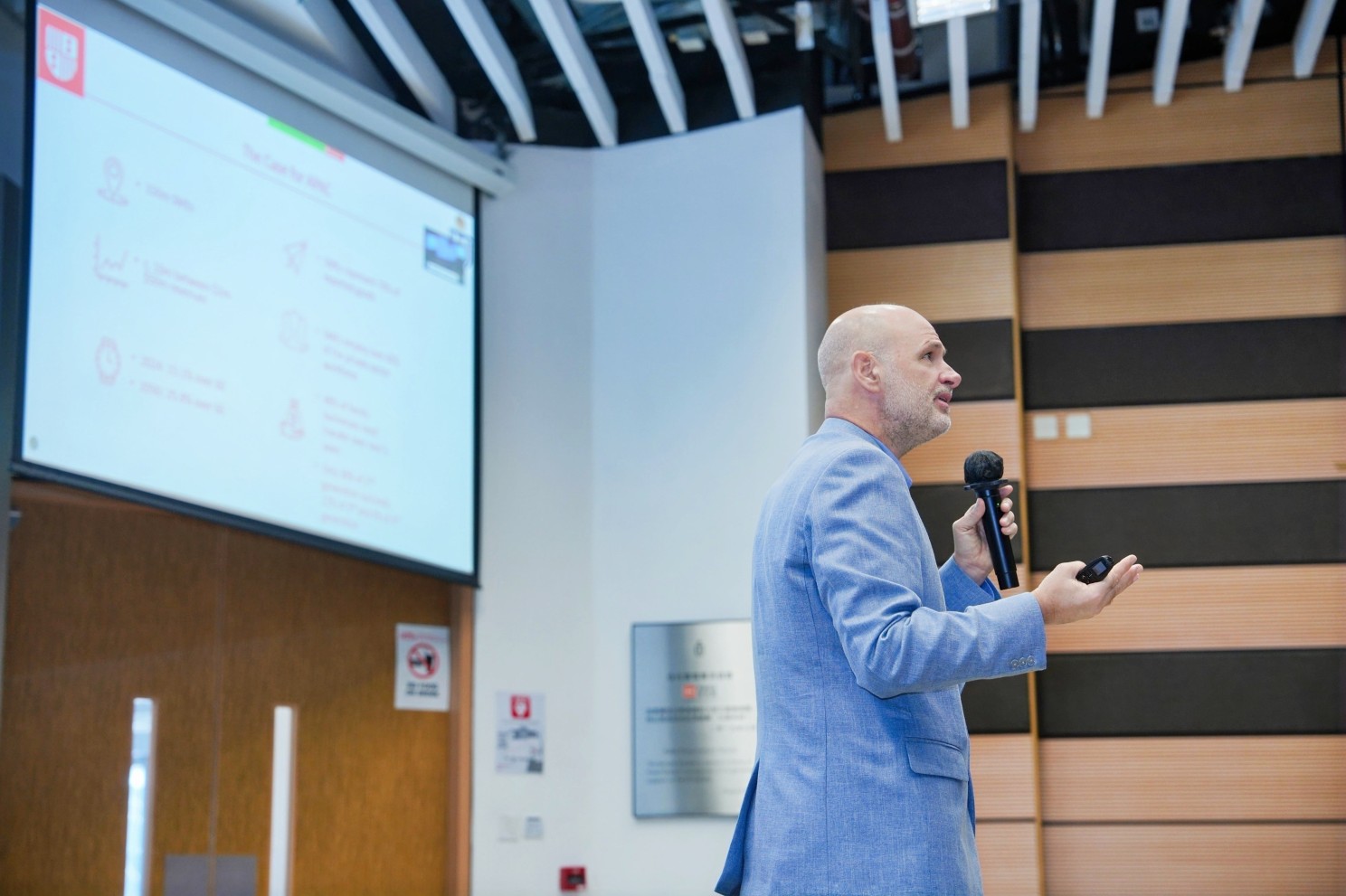
K. O. Chia, President of the HKVCA Institute for Private Capital at Hong Kong Venture Capital and Private Equity Association (HKVCA), noted that the ETA model enables entrepreneurs to step directly into ownership by acquiring and leading established businesses. He emphasized that success requires a mindset shift from employee to owner, describing ETA as a form of patient private capital that aligns long-term interests and builds trust between investors, entrepreneurs and acquired business, while calling for its thoughtful adaptation to Asian cultural and business contexts. Chia also referenced the Entrepreneur-in-Residence (EIR) model as part of his reflections on how entrepreneurial pathways continue to evolve.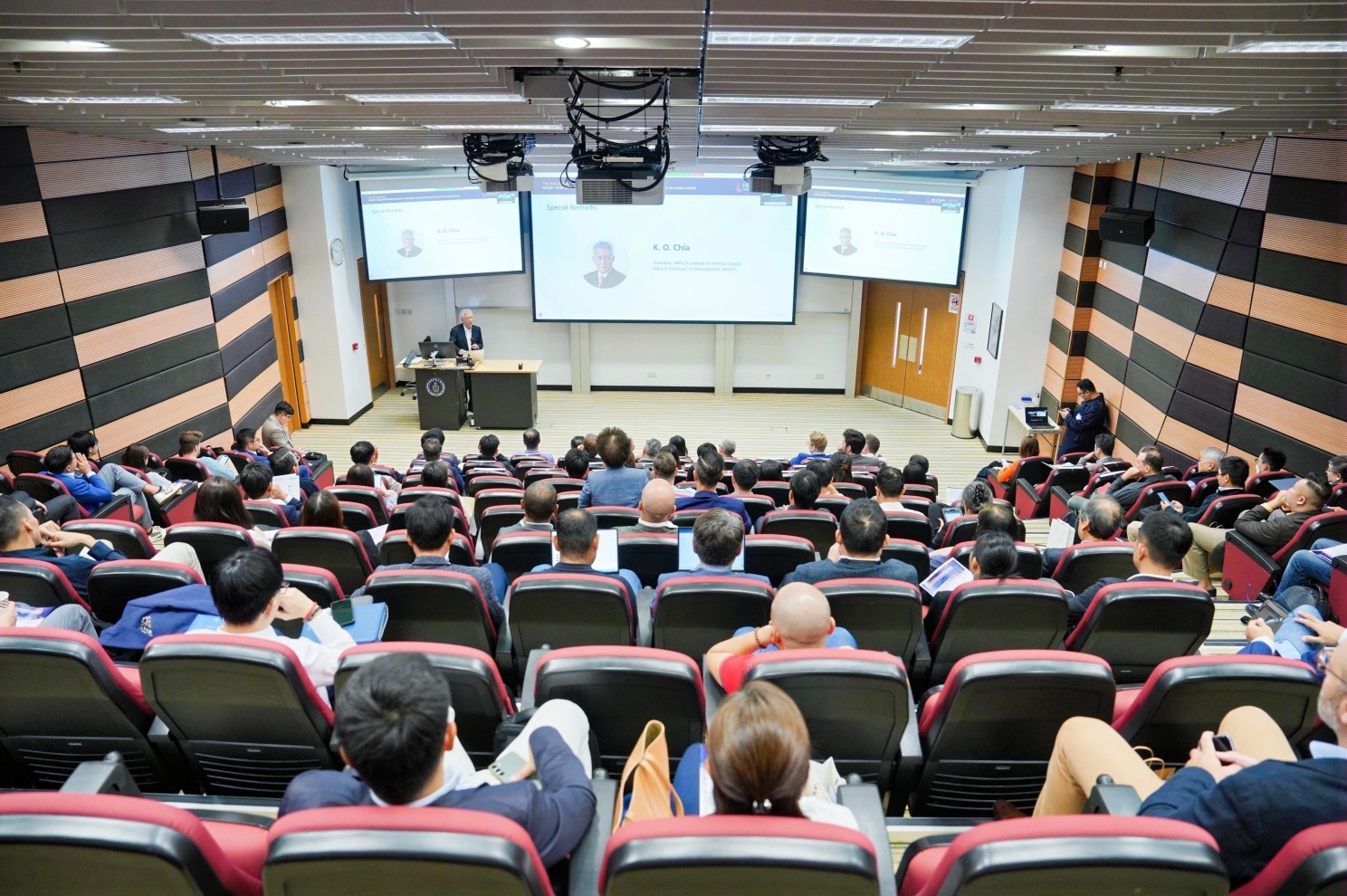 Delivering the Summit’s keynote address, Professor Jan Simon, Academic Director of the International Search Fund Center at IESE Business School, reviewed the 40-year evolution of the ETA model and noted that APAC now hosts more than 20 active search funds across eight countries. He highlighted that while the model has demonstrated strong historical returns and a solid global success rate, success ultimately depends on the ability to buy a good company, in a great industry, at a reasonable price. Simon emphasized the vital role of boards as governance and mentorship structures that guide first-time CEOs toward leadership and accountability, concluding that as the model takes root in APAC, the global search fund community stands ready to support searchers, CEOs, investors, and companies to help this new generation of entrepreneurial leaders thrive.
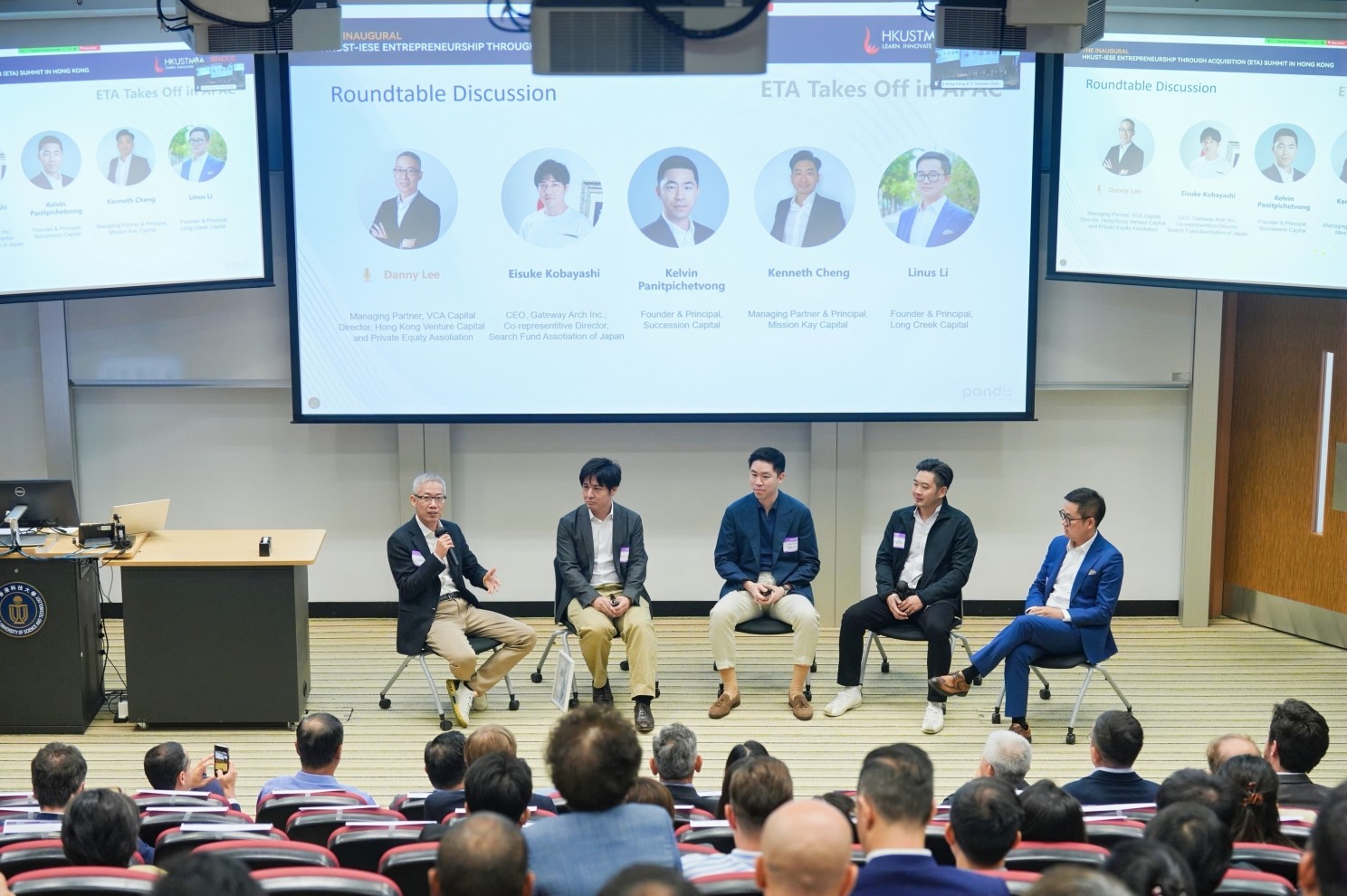
 The first panel, “ETA Takes Off in APAC,” moderated by Danny Lee, Managing Partner of VCA Capital and Director of HKVCA, featured four ETA entrepreneurs sharing perspectives from across the region. Chuanlong Li, Founder and Managing Partner of Long Creek Capital in China, cautioned that Chinese searchers should avoid low-barrier, price-driven sectors and instead focus on defensible industries with recurring demand. Kelvin Panitpichetvong, Founder of Succession Capital in Hong Kong, emphasized that new CEOs must build operational independence and pursue disciplined acquisitions to sustain growth. Kenneth Cheng, Managing Partner of Mission Kay Capital in Singapore, observed that positioning ETA as a process of backing the right entrepreneur—rather than merely finding companies—helps attract investor support. Eisuke Kobayashi, CEO of Gateway Arch Inc., noted that while Japan’s toy and puzzle market is mature, cross-border expansion presents strong growth opportunities.
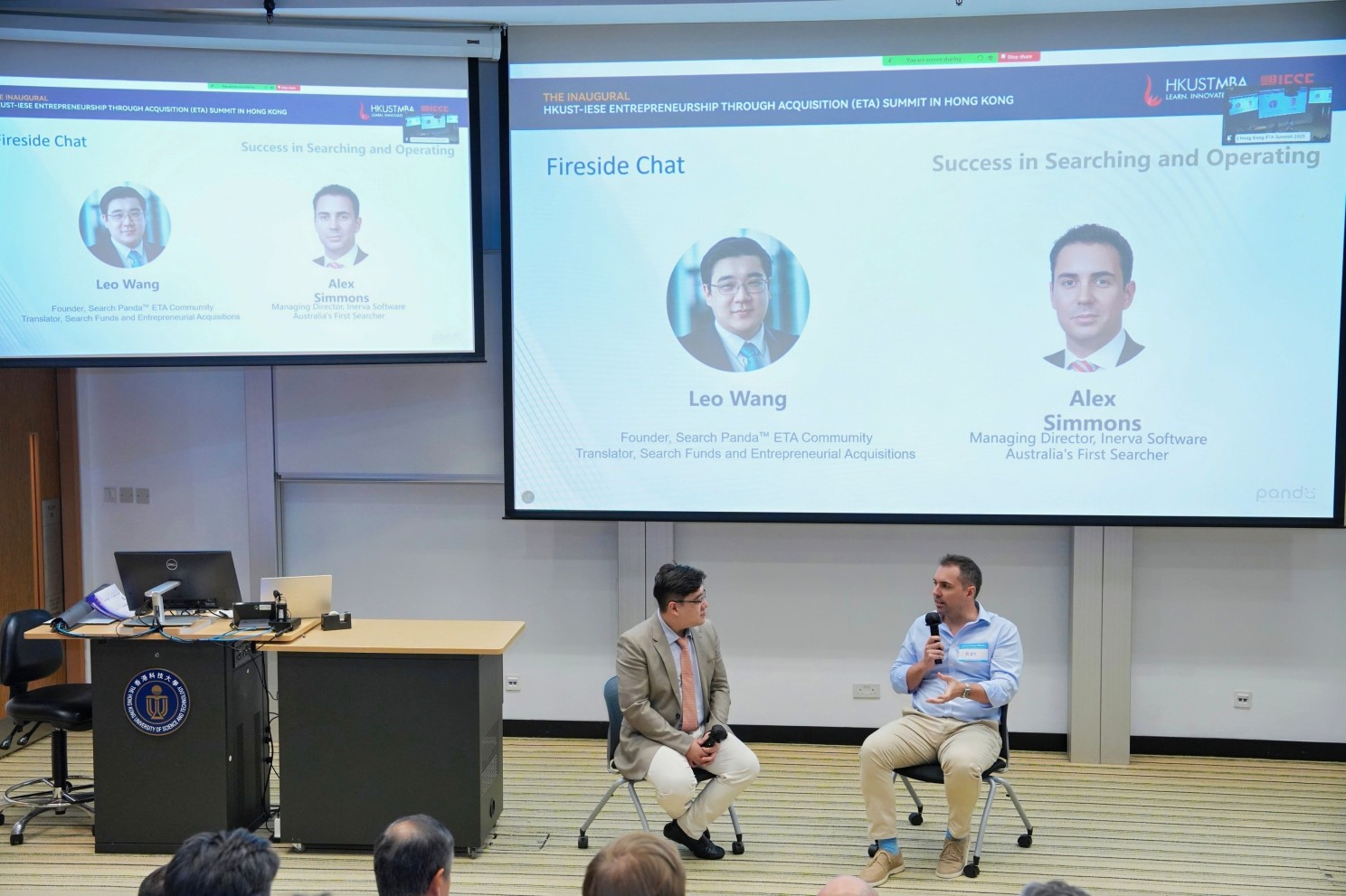
 In a fireside chat titled “A Typical Journey of Searching and Operating,” Alexander Simmons, Managing Director of Inerva Software and Australia’s first searcher, spoke with Yiqiao Wang about moving from search to four years of operating. Simmons said leadership during transition is about earning trust through clarity rather than friendship, and shared practical lessons from his acquisition and COVID-era due diligence experience. He underscored the importance of having the right cap table and the continuous support and guidance from the board, which serves as the cornerstone for first-time CEOs navigating their early years, encouraging transparent communication, cultural continuity, and decisive execution through change.
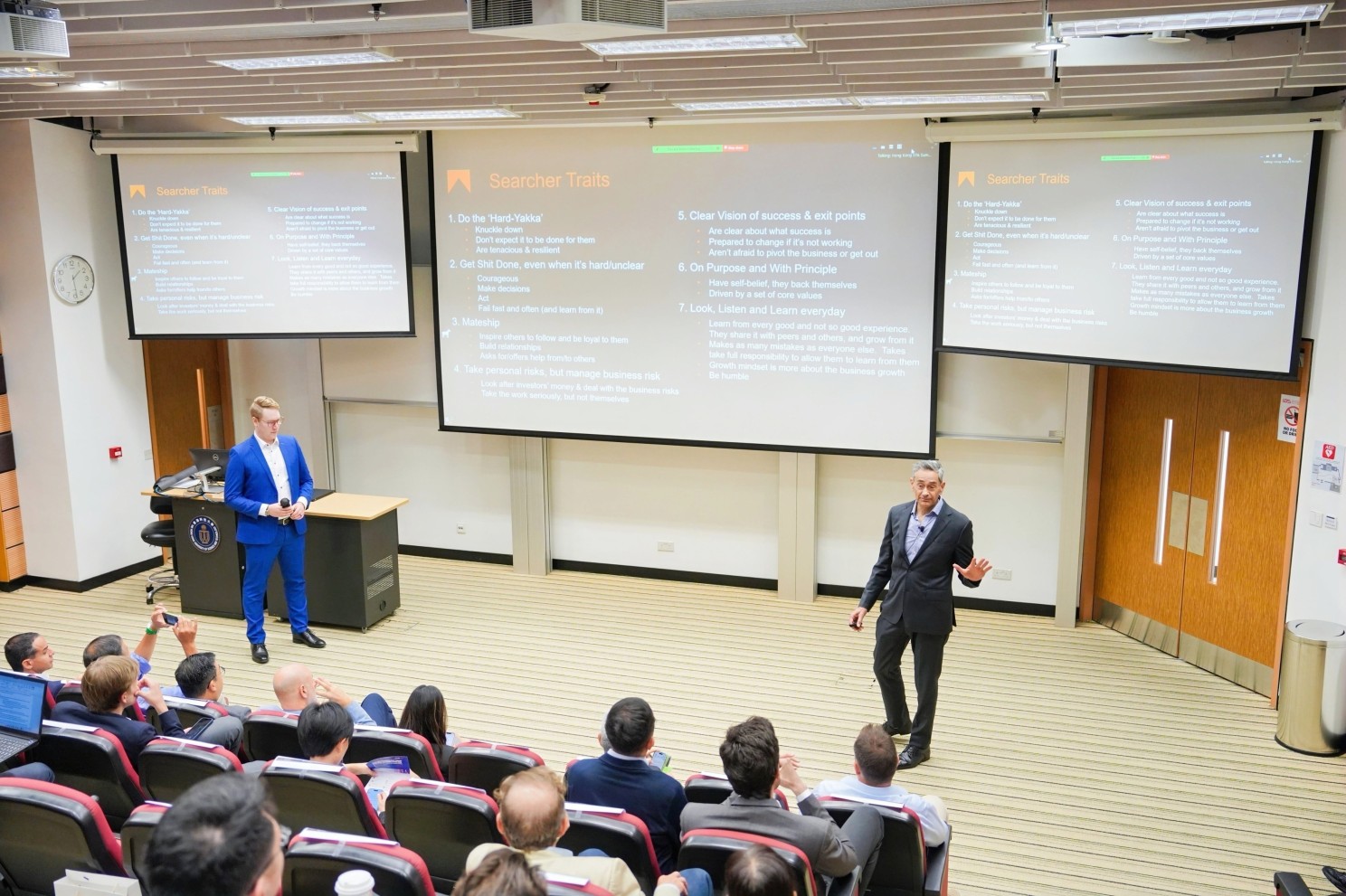
 In the afternoon, the first featured speech, “How to Identify the Entrepreneur,” was delivered by Akram Sabbagh, Co-Founder of WayFinder Capital and Justin McGee Odger, Associate of WayFinder Capital. Drawing from their research “Fit for the Course: Finding the Right Jockey,” they presented the psychological and behavioral traits of successful searchers. Sabbagh emphasized that great searchers blend curiosity, humility, and grit, while emotional intelligence often outweighs technical skills. Odger shared data showing that successful searchers are forward-thinking, unconventional, and thrive under ambiguity. Both speakers encouraged participants to strengthen the regional community through open mentorship and peer collaboration, noting that “ETA is a journey best taken together.”
 In the second featured speech, “How to Spot a Leopard in the Wild,” Andrew Locke, Co-Founder and Partner at ambit partners, unveiled findings from Ambit’s global study on top-performing ETA acquisitions. He revealed that the best-performing companies share key characteristics, including recurring revenues, strong margins, low capital intensity, and disciplined governance. Locke likened such businesses to “leopards—rare, resilient, and hard to find,” and stressed that successful outcomes come from alignment between revenue quality, industry strength, capital efficiency, and valuation discipline. He urged searchers to focus on “small, boring, but critical” businesses that quietly underpin the economy.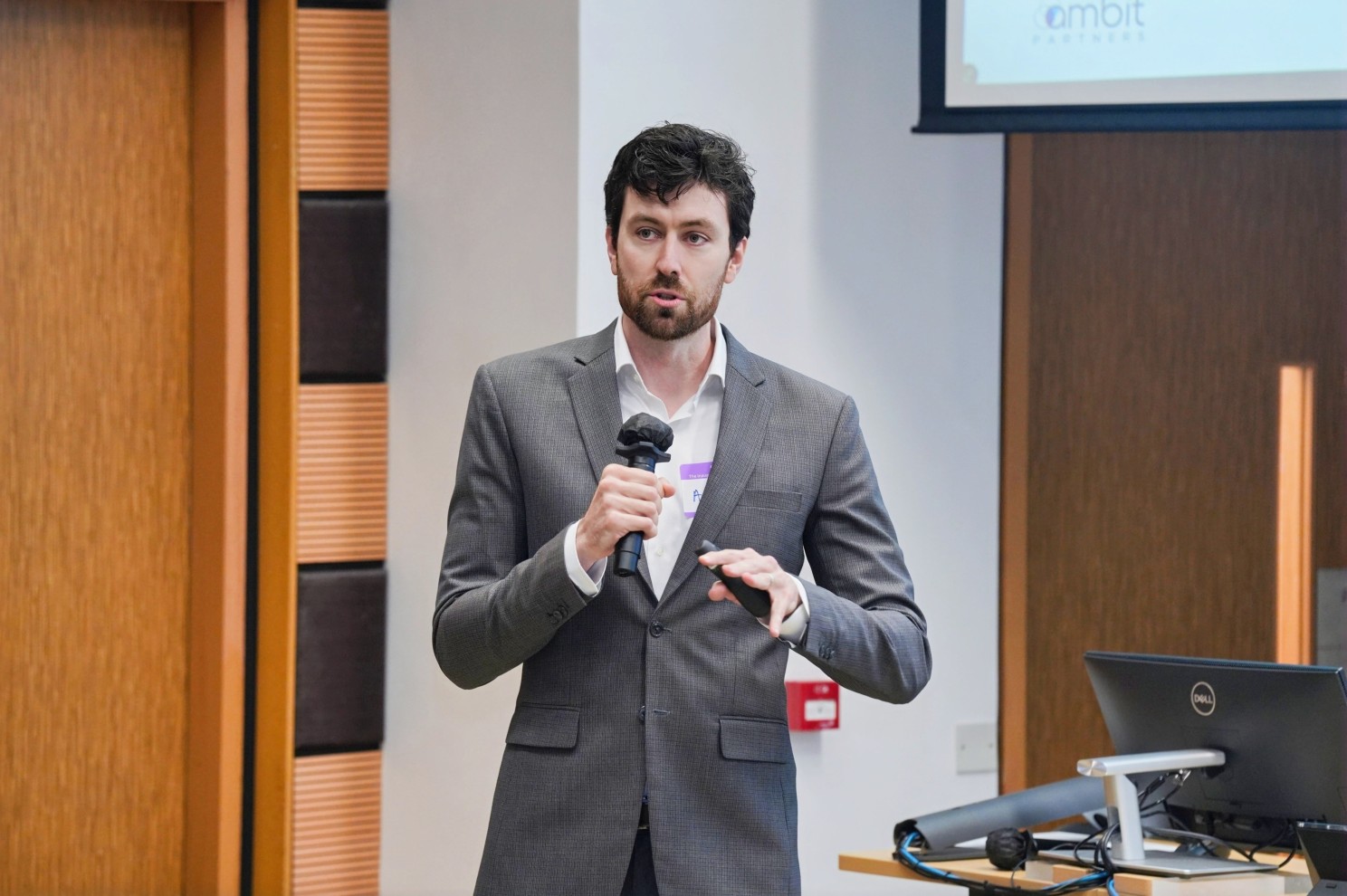
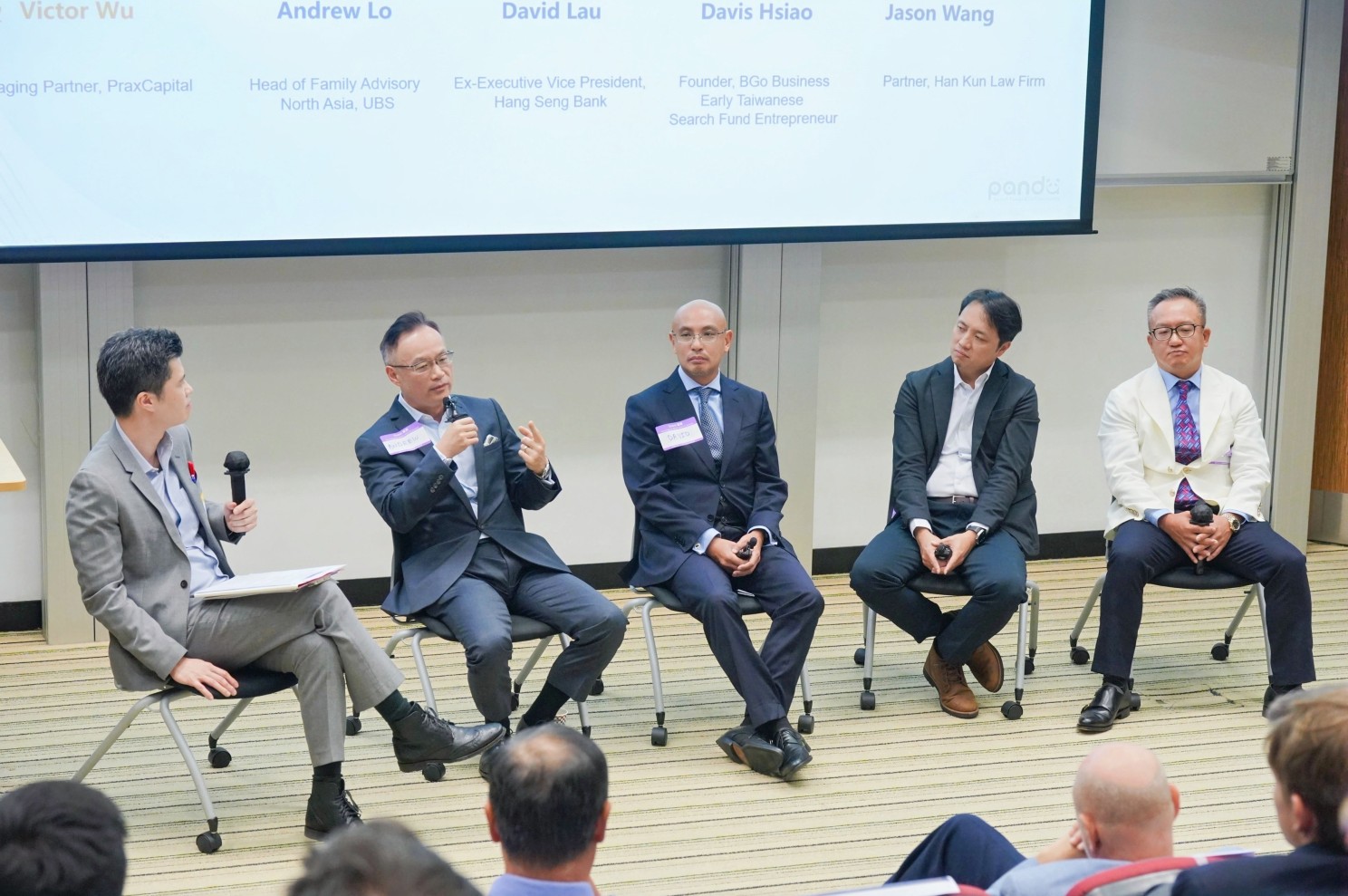
The second panel, “Current Investment and Post-Investment Experiences,” moderated by Professor Jan Simon of IESE Business School, examined how investors and operators can co-develop Asia’s young ETA ecosystem. Andrew Locke, Co-Founder and Partner at Ambit Partners, emphasized that structured governance and mentorship are essential for first-time CEOs, noting that diligence, intelligence, and consistent engagement form the foundation of trust between searchers and backers. Akram Sabbagh, Co-Founder of WayFinder Capital, observed that investing in ETA means investing in people and that long-term alignment between investors and operators is key to sustainable success. José Moreno, Managing Partner at AIJ Global, stressed that predictable legal frameworks and ownership clarity underpin scalable deal transactions, identifying Hong Kong and Singapore as gateways to the region. Ryan Poon, CFA, CAIA, Partner at ZB CAPITAL, pointed to digital transformation and operational leverage as the most effective tools for value creation in debt-scarce markets. Tycen Bundgaard, Founder and Managing Partner at Lighthaven, highlighted that disciplined entry valuations based on genuine succession needs remain the cornerstone of sound returns. The discussion concluded with shared advice to first-year CEOs: watch, learn, and stabilize before pursuing aggressive change.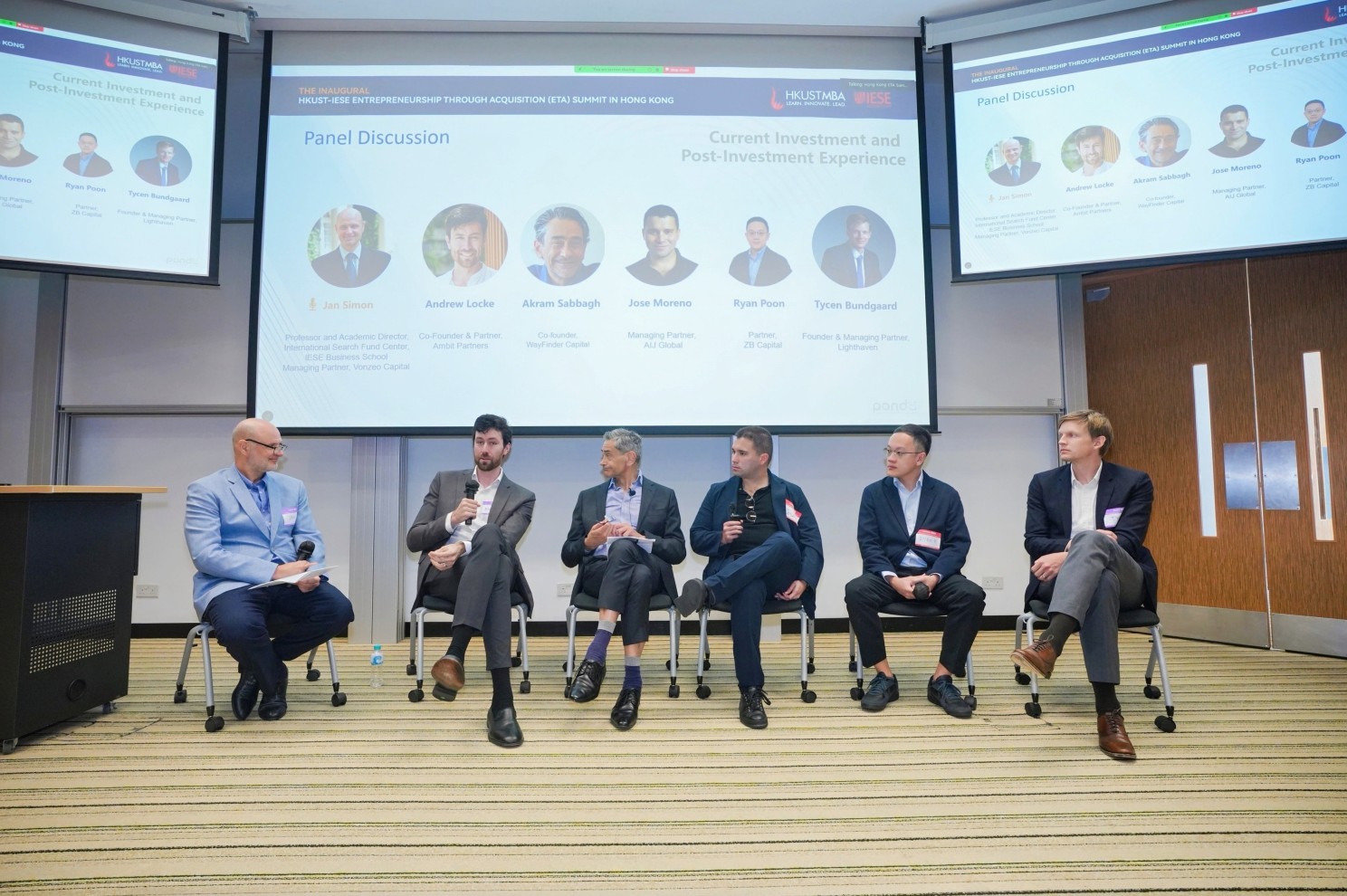 The third panel, “Acquisition Practices under Different Circumstances,” moderated by Victor Wu, Managing Partner of Prax Capital, featured four speakers sharing practical perspectives on M&A execution across Asia. Dr. Andrew Lo, Head of Family Advisory North Asia at UBS, observed that aging family business owners increasingly view partial or full exits as pragmatic succession options, noting that succession is no longer a taboo but a strategic decision. David Lau, CFA, former Executive Vice President of Hang Seng Bank, shared concrete insights into SME and acquisition loan processes, explaining how entrepreneurs can approach banks, evaluate terms, and structure deals effectively. Jung-chih (Davis) Hsiao, Founder of BGo Business and one of the earliest search fund entrepreneurs in Taiwan, noted that Asia’s SME ecosystem remains founder-centric and that empathy towards founders is critical during transitions. Jason Wang, Partner at Han Kun Law Offices, addressed cross-border investment concerns, reassuring attendees that with compliant documentation and sound structuring, inbound and outbound capital flows in China remain manageable.
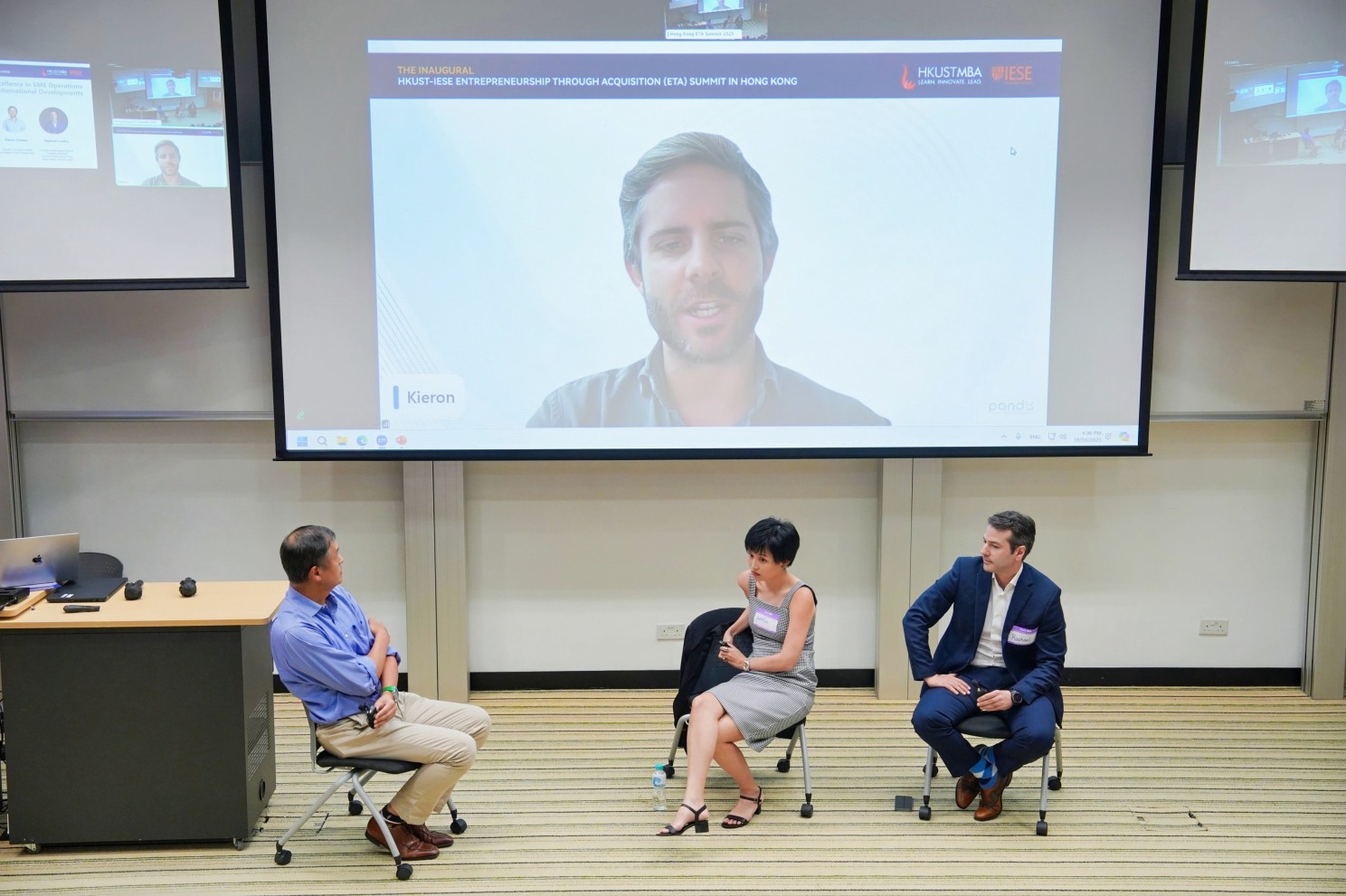
 The fourth and final panel, “Excellence in SME Operations and International Developments,” moderated by Bill King, Senior Advisor to the Associate Dean of MBA at HKUST and Independent Non-Executive Director of Digital China Holdings, featured three speakers sharing operational insights from different markets. Amelia L., Co-Founder of The Health Collective SG, shared her experience leading rapid digital transformation and AI adoption after acquisition, noting that such upgrades can quickly enhance SME competitiveness. Kieron C., Co-Founder and Managing Partner of Emotion, emphasized the importance of leadership development and structured delegation, noting that sustainable growth comes from building strong systems and empowering capable teams. Raphael Coelho, Founding Partner of X-Sigma Partners in China, shared his approach to building teams through equity incentives and underscored that companies should grow with discipline. The panel concluded that operational excellence under ETA leadership requires local cultural awareness, long-term alignment, and a strong commitment to the team.
 The Summit concluded with Juan Naranjo, Director of the International Search Fund Center at IESE Business School, noting that IESE is conducting a new global search fund study and calling for continued collaboration among investors, entrepreneurs, and educators worldwide. Professor Stephen Shih, Associate Dean (MBA Programs) of HKUST, expressed his appreciation to all speakers and participants, noting the many opportunities emerging across the Asia-Pacific region. Shih emphasized that ETA is an inherently collaborative field—one that unites capital, talent, and experience to shape the next generation of entrepreneurship in Asia.